Discovering a light switch that’s warm to the touch can instantly trigger a wave of worry for any homeowner in San Diego. Is it normal? Is it a fire hazard? These are crucial questions, and your quick reaction can make all the difference in keeping your home safe. It’s important to understand the nuances between a benign warmth and a potentially dangerous electrical issue.
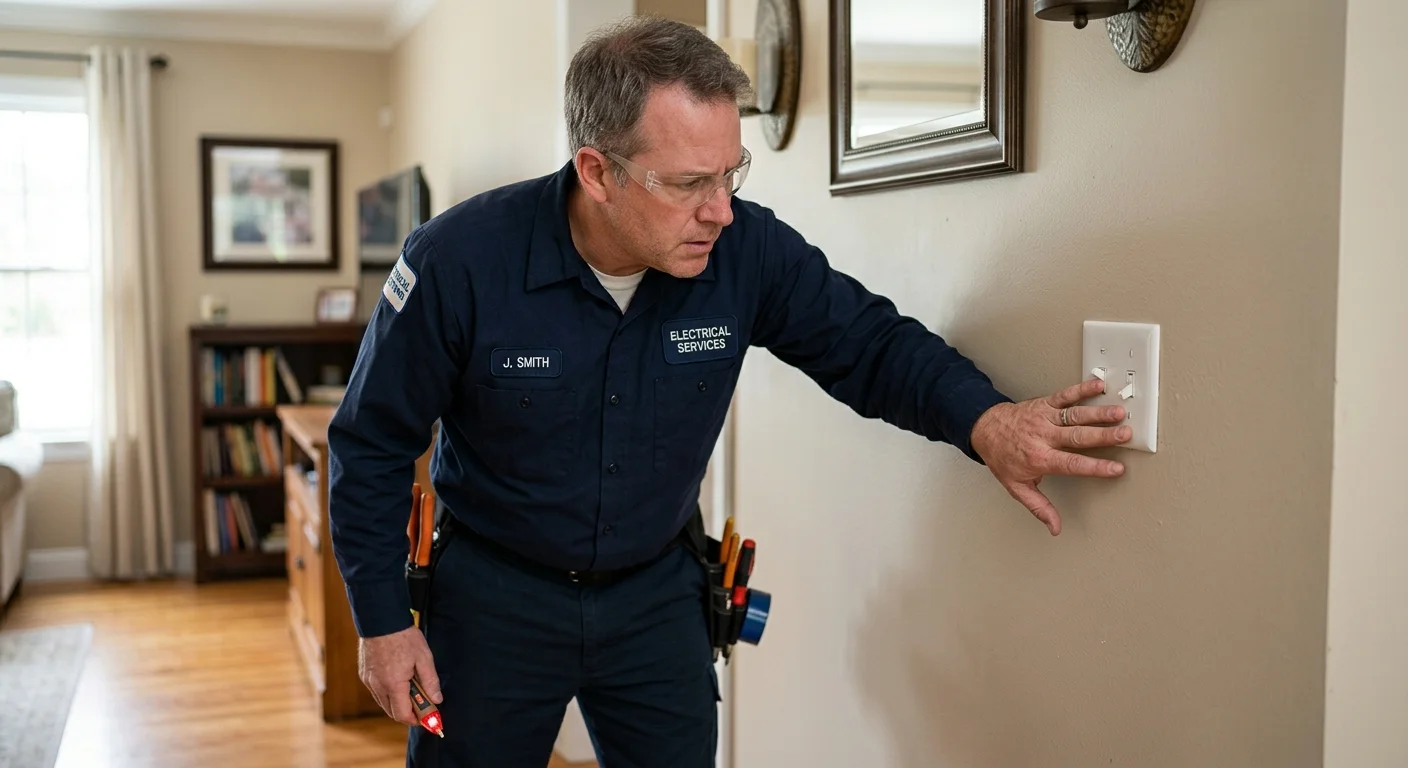
Is a warm light switch normal? (sometimes, yes)
It might surprise you, but sometimes a light switch feeling a little warm is completely normal, especially if you have a dimmer switch. Dimmer switches work by regulating the amount of electricity flowing to a light fixture. To do this, they convert some of the electrical energy into heat. This is a standard part of their operation, and a slight warmth – similar to a cell phone that’s been charging for a while – is usually nothing to worry about.
Standard on/off switches, however, don’t typically generate noticeable heat. If a regular toggle switch feels slightly warm, it could indicate a heavy load on the circuit it controls. For instance, if it’s connected to several high-wattage lights that have been on for an extended period, a tiny bit of warmth might occur due to normal electrical resistance. The key here is “slightly warm” and “normal operation.” It shouldn’t be hot, discolored, or accompanied by any other concerning signs. If you’re ever unsure, it’s always better to investigate further than to dismiss a potential problem.
The difference between warm and dangerously hot
Understanding the critical distinction between a “warm” and a “hot” light switch is paramount for your home’s safety. A light switch that’s simply warm means it might feel just a bit above room temperature, but it’s comfortable to touch and doesn’t cause any alarm. This is typically what you’d expect from a properly functioning dimmer switch or a regular switch under a mild, sustained load.
A hot light switch is an entirely different matter. If the switch plate or toggle is uncomfortably hot, burning to the touch, or even just noticeably hotter than other switches, you have an emergency. This level of heat indicates excessive electrical resistance within the switch, the wiring, or the connected components. It’s often accompanied by other warning signs like a burning smell, discoloration around the switch plate, or audible buzzing or crackling noises. Ignoring a hot light switch can lead to serious hazards, including electrical fires, which are a real concern in any home, including those throughout San Diego County. Your immediate action in this situation is crucial to prevent further danger.
Common causes: dimmer switches, overloaded circuits, faulty wiring
Several factors can cause a light switch to heat up, ranging from benign to genuinely hazardous. Knowing the potential culprits helps you understand when to act and when to relax.
Dimmer Switches: As we discussed, these are the most common reason for a warm switch. The internal components of a dimmer, which manipulate the voltage to control light intensity, naturally generate some heat as a byproduct. As long as the dimmer is rated correctly for the total wattage of the bulbs it controls and it’s not excessively hot, a mild warmth is acceptable. Problems arise if you’re using incompatible bulbs (like some LEDs not designed for specific dimmers) or if the dimmer is overloaded, in which case it might feel more than just warm.
Overloaded Circuits: This is a more serious concern. An overloaded circuit happens when you’re drawing more electrical current than the circuit or switch is designed to handle. Imagine plugging in too many high-power appliances into one outlet, but instead, it’s lights and possibly other devices connected through a single light switch. The excess current creates resistance, and resistance generates heat. Older homes in San Diego might have fewer circuits or outdated wiring, making them more susceptible to accidental overloads as modern electrical demands increase. If a standard on/off switch or even a dimmer (that’s otherwise correctly rated) feels hot, an overloaded circuit is a strong possibility.
Faulty Wiring or Connections: This is perhaps the most dangerous cause of a hot light switch. Loose wire connections, corroded terminals, damaged insulation, or poorly installed wiring can all create points of high resistance. When electricity tries to flow through these high-resistance areas, significant heat builds up. This heat can melt the plastic components of the switch, ignite the insulation on wires, and potentially spread to the surrounding wall materials, leading to an electrical fire. Faulty wiring isn’t something you can visually diagnose without opening the switch box, and it requires immediate professional attention.
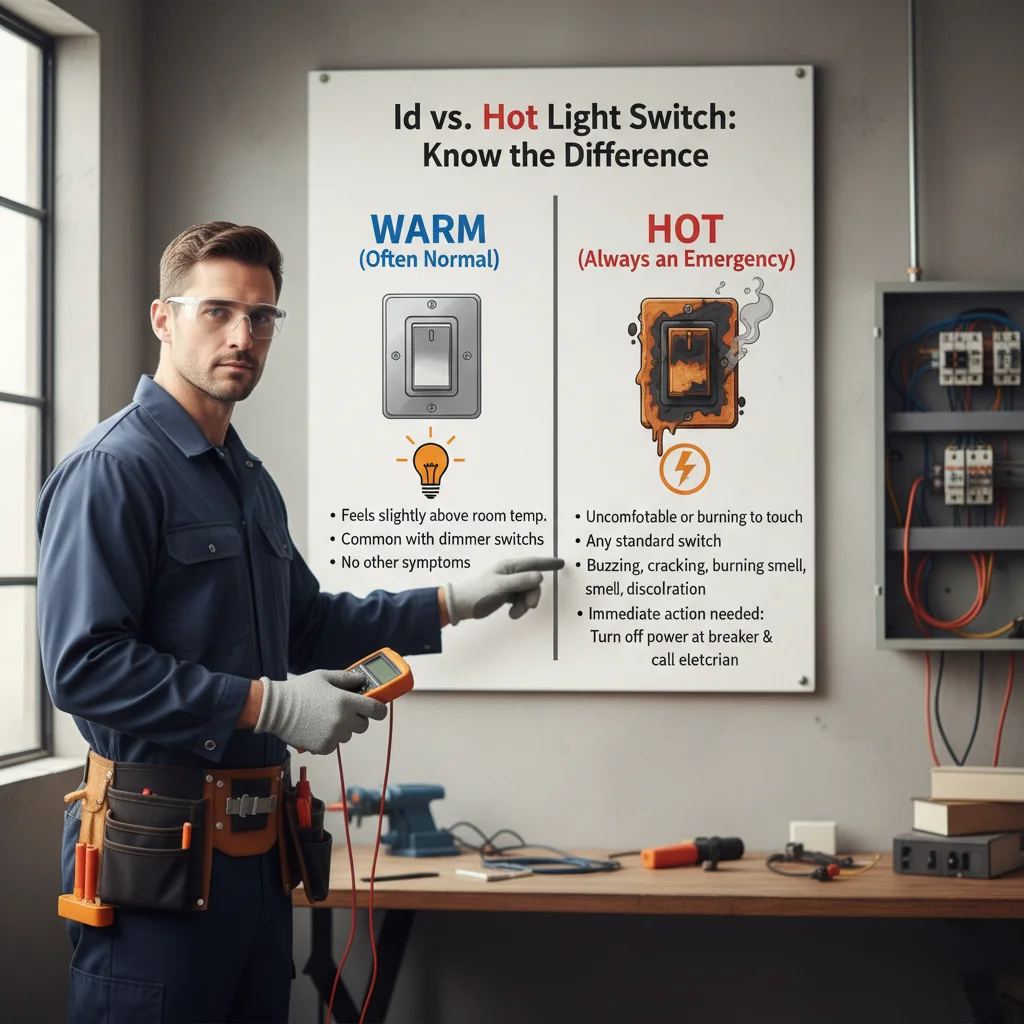
What to do immediately if a switch is hot, buzzing, or smells burnt
If you encounter a light switch that is hot to the touch, is making unusual buzzing or crackling sounds, or — most critically — smells like burning plastic or electrical components, you need to act fast and prioritize safety. Your very first step is to immediately turn off the power to that circuit at your electrical panel. Go to your main breaker box and locate the breaker that controls the room or area where the hot switch is. Flip it to the “off” position. If you’re unsure which breaker it is, or if you can’t identify it quickly, it’s safer to shut off the main breaker to your entire home.
After you’ve cut the power, do not attempt to use the switch or turn the power back on until a qualified electrician has inspected it. Don’t touch the switch if it’s sparking, smoking, or shows visible signs of melting. These are clear indicators of an active electrical fault that poses an immediate fire risk. Any burning smell, even faint, is a huge red flag and should prompt an immediate investigation. It could be an early sign of a significant electrical problem. For more information on what to do when you smell an electrical burn, read our blog post on burning smells and electrical emergencies.
Why you shouldn’t ignore a faulty switch
Ignoring a hot or faulty light switch is a dangerous gamble with your home and family’s safety. While a slightly warm dimmer might be harmless, a genuinely hot switch points to an underlying electrical problem that demands immediate attention. The primary and most severe risk is an electrical fire. The excessive heat generated by faulty wiring, an overloaded circuit, or a defective switch can ignite insulation, wall materials, or nearby combustibles, leading to devastating consequences.
Beyond fire, a faulty switch can also lead to electrical shock hazards. Exposed or damaged wiring behind a hot switch can become energized, posing a direct threat to anyone who touches the switch or even the surrounding wall. Prolonged heat and faulty connections also contribute to premature wear and damage to your home’s entire electrical system. This means not only the switch but also the connected wiring, light fixtures, and potentially even your circuit breaker panel could be compromised, leading to more extensive and costly repairs down the line. For the peace of mind of your family and the longevity of your home’s electrical system, addressing a problematic switch promptly is always the smartest choice.
How an electrician diagnoses the real problem
When you call a licensed electrician from Bright Pro Electric for a warm or hot light switch issue in your San Diego home, you’re getting a professional, systematic approach to ensure safety and identify the root cause. We always begin with safety, ensuring the power is off before any inspection begins. Our technicians use specialized tools like non-contact voltage testers and thermal imaging cameras to identify hotspots and pinpoint the source of the heat without having to dismantle the entire wall.
We carefully remove the switch plate and inspect the wiring within the electrical box. We’re looking for loose connections, frayed wires, signs of corrosion, melted insulation, or improper wire gauges. We also check the switch itself for signs of damage or an incorrect rating for the load it handles. If an overloaded circuit is suspected, we’ll assess the total wattage of the lights and other devices connected to that specific circuit and recommend solutions like redistributing loads or even installing new, dedicated circuits. Our team is expert at electrical troubleshooting for all kinds of residential issues. We can replace faulty components, tighten loose connections, repair damaged wiring, or perform a full outlet and switch installation if the existing components are beyond repair or inadequate. When you hire a professional, like those at Bright Pro Electric, you ensure the repair meets current safety codes and prevents future problems. For your peace of mind, always check the license of any contractor you hire through the CSLB website.
When to call us
If your light switch is more than just slightly warm, is visibly discolored, buzzing, or smells burnt, it’s a clear sign you need professional help. Don’t risk your home’s safety by attempting to diagnose or fix a potentially dangerous electrical problem yourself. Call us at (858) 925-5546 for a same-day estimate.