Your home’s electrical panel is the heart of its power system, distributing electricity safely to every outlet and appliance. In San Diego, where homes range from historic bungalows to modern builds, the age and condition of this crucial component can vary wildly. An outdated or failing electrical panel isn’t just an inconvenience; it’s a serious safety risk that can lead to electrical fires, appliance damage, or even electrocution. Knowing the warning signs is essential for protecting your property and family.
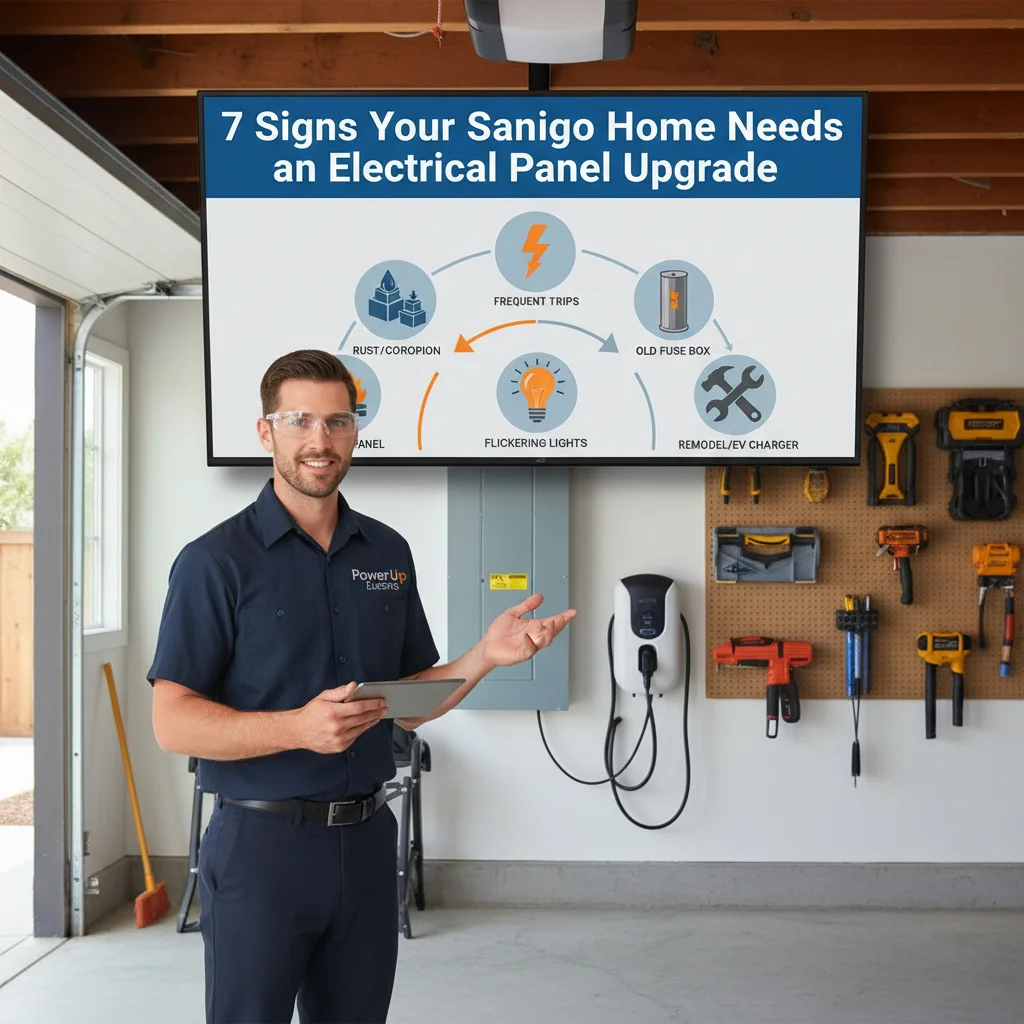
If you’re noticing strange electrical behaviors in your San Diego home, it might be time to consider an upgrade. Let’s look at seven clear indicators that your electrical panel might be past its prime.
Your circuit breakers trip frequently
Imagine plugging in your toaster or turning on the microwave, and suddenly, a section of your kitchen goes dark. If this happens often, and resetting a circuit breaker becomes a regular chore, your electrical panel is probably trying to tell you something. Frequent breaker trips are usually a sign that your electrical system is overloaded. Modern homes, with their abundance of electronics, high-efficiency appliances, and charging devices, demand far more electricity than homes built decades ago.
When a circuit breaker trips, it’s doing its job: preventing an electrical overload that could damage appliances or, more seriously, cause an electrical fire. However, if this safety mechanism is constantly activating, it means your current panel simply cannot handle the demand you’re placing on it. It’s a critical safety warning that your home’s wiring and panel aren’t robust enough for your lifestyle. An upgrade to a higher amperage panel, like a 200-amp service, can provide the capacity your home needs, distributing power more efficiently and safely. Don’t ignore persistent tripping; it’s a sign that your home might be just a small spike away from a bigger electrical issue.
You still have an old fuse box
Walk into some older San Diego homes, and instead of a modern circuit breaker panel, you’ll find an antiquated fuse box. These systems rely on individual fuses, usually glass or ceramic, that burn out and need physical replacement when a circuit overloads. While they were the standard for many years, fuse boxes are simply not designed for the electrical demands of today’s households.
The primary issue with fuse boxes is their limited capacity and potential for misuse. Homeowners might mistakenly install fuses with a higher amperage rating than the wiring can safely handle, which defeats the safety purpose and creates a significant fire hazard. Modern circuit breakers, by contrast, are designed to trip and be easily reset, offering a much safer and more convenient solution without the risk of incorrect fuse installation. If your home still uses a fuse box, it’s not just an inconvenience; it’s a strong indicator that your entire electrical system is outdated and potentially unsafe. Upgrading to a modern circuit breaker panel is one of the most important safety improvements you can make for an older home.
Your lights flicker or dim when appliances turn on
Have you ever noticed the lights dimming momentarily when the air conditioning kicks in, or flickering subtly when you use a powerful kitchen appliance? This isn’t just an aesthetic annoyance; it’s a clear signal that your electrical system is struggling to provide consistent power. When lights flicker or dim, it means there’s a temporary voltage drop in your circuits, often due to high-demand appliances drawing too much power at once.
This phenomenon, sometimes called “brownout,” indicates that your electrical panel or wiring might not have the capacity to handle these surges. It’s a sign of an overburdened system, leading to inefficient power delivery. While occasional minor flickers might be normal for a split second, consistent or noticeable dimming points to a deeper issue. Over time, these voltage fluctuations can wear down your appliances, shortening their lifespan. More importantly, it highlights that your system is running at its limit, making it more susceptible to overheating and potential electrical hazards. For reliable and stable power throughout your San Diego home, an electrical panel upgrade can solve these frustrating and potentially dangerous issues.
You’re planning a major remodel or adding an EV charger
San Diego homeowners are constantly improving their properties, whether it’s a kitchen renovation, a bathroom overhaul, or the popular addition of an electric vehicle (EV) charger. While these upgrades enhance your home and lifestyle, they also significantly increase electrical demand. A major remodel, especially in areas like the kitchen or bathroom, involves installing new high-wattage appliances, additional outlets, and specialized lighting. These additions require dedicated circuits and a much larger power supply than an older panel can typically provide.
Similarly, installing an EV charger is one of the biggest electrical additions most homeowners make. Level 2 EV chargers, which are common for home use, often require a dedicated 240-volt circuit and significant amperage (usually 40 to 80 amps). Your existing electrical panel might not have the spare capacity or the physical space for such a substantial new load. Trying to squeeze these new demands onto an old panel can lead to the frequent tripping mentioned earlier, or even worse, create dangerous overloads. If you’re looking to modernize your home or join the EV revolution, planning for a panel upgrade should be a fundamental part of your project. It ensures your new investments are powered safely and efficiently. You can also explore our guide on electrical panel replacement cost in San Diego to help with your planning.
Your panel is a known fire hazard (Federal Pacific, Zinsco)
Some electrical panels manufactured decades ago have a notorious reputation for design flaws that make them serious fire hazards. Two of the most common and dangerous examples are Federal Pacific Electric (FPE) Stab-Lok panels and Zinsco panels. If your San Diego home has one of these, an immediate upgrade is not just recommended, it’s critical for your family’s safety.
Federal Pacific Stab-Lok panels, often found in homes built between the 1950s and 1980s, are known to have faulty circuit breakers that may not trip when an overload or short circuit occurs. This means that instead of safely shutting off power, the faulty breaker can overheat, melt, and potentially cause a fire. Zinsco panels, prevalent in homes built from the 1950s to the 1970s, suffer from similar defects. Their aluminum bus bars can corrode and lose connection, leading to arcing, overheating, and again, a very real risk of fire. Identifying and replacing these panels is a top priority for electrical safety experts. If you suspect your home has a Federal Pacific or Zinsco panel, don’t delay. A qualified electrician can perform an inspection and recommend a safe, modern replacement. We have more information on Federal Pacific and Zinsco panel replacement specifically for homeowners.
You’re running out of space for new circuits
As San Diego homes evolve, so do their electrical needs. Perhaps you want to add a new hot tub to your backyard, install dedicated circuits for a home office, or put in an advanced home theater system. Each of these additions requires a new circuit to safely distribute power. However, if you look inside your electrical panel, you might find it’s completely full, with no spare slots for new breakers.
This lack of space is a common problem in older homes, whose panels were designed for a time when electrical demand was much lower. Modern homes often need more circuits for specialized appliances, GFCI protection in wet areas, and AFCI protection for bedrooms. If your panel is full, an electrician cannot simply add new breakers. This limitation means you’re stuck with your current electrical configuration or you risk overloading existing circuits by attempting to “double-tap” (connecting two wires to one breaker), which is a serious code violation and a fire hazard. Running out of space is a clear signal that your panel can no longer accommodate your home’s growing needs and that a panel upgrade is essential for any future electrical improvements.
You notice rust or corrosion on the panel
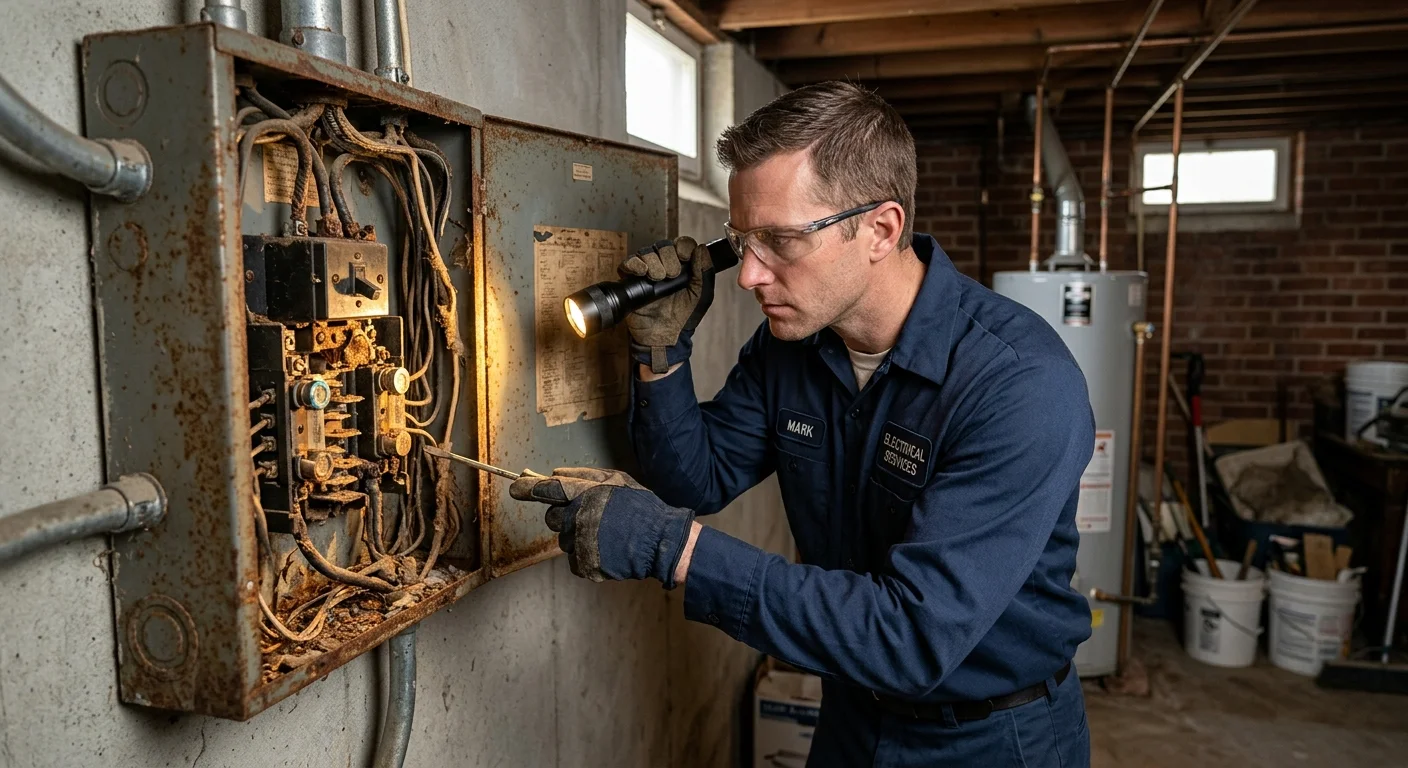
Take a moment to inspect your electrical panel. It’s usually a gray metal box, often located in your garage, basement, or utility closet. What do you see? If you notice any visible signs of rust, corrosion, or water damage, it’s a major red flag that warrants immediate professional attention. Rust and corrosion indicate that moisture has entered the panel, which is extremely dangerous.
Water and electricity are a perilous combination. Moisture inside the panel can corrode wiring, bus bars, and circuit breakers, leading to poor electrical connections, short circuits, and increased resistance. This increased resistance generates heat, which can damage components and potentially ignite nearby materials, leading to an electrical fire. Even without direct water exposure, high humidity in coastal areas like San Diego can contribute to rust over time, particularly if the panel isn’t sealed properly. Any discoloration, pitting, or powdery residue within or on the exterior of your electrical panel suggests a serious and active safety issue. Do not attempt to open or inspect a corroded panel yourself; always call a licensed electrician.
When to call us
Recognizing these signs is the first step toward a safer, more efficient home. If you’ve identified any of these indicators in your San Diego property, it’s time to bring in the professionals. An electrical panel upgrade is complex work that requires the expertise of a licensed and experienced electrician. We’ll assess your current system, identify potential hazards, and recommend the best solution to meet your home’s power demands safely and reliably. Don’t compromise on electrical safety. Call us at (858) 925-5546 for a same-day estimate.