Undertaking electrical work at home can feel like a maze, especially when it comes to permits. You might wonder if that new outlet or a major Electrical Panel Upgrades project needs official approval. In San Diego County, understanding when you need an electrical permit isn’t just about red tape; it’s about safety, compliance, and protecting your home’s value. This guide will walk you through the specifics for San Diego homeowners.
Work that always requires a permit
When you’re dealing with new electrical circuits, significant capacity changes, or anything that alters your home’s foundational electrical system, a permit is always a must in San Diego. This isn’t just a suggestion; it’s a legal requirement designed to ensure safety and adherence to the latest building codes. Think about projects like installing entirely new wiring, adding circuits where none existed before, or moving major electrical components like your main service panel. These tasks significantly impact your home’s electrical load and distribution, making an inspection vital for fire prevention and proper function.
For example, if you’re planning to install an EV charger installation in your garage, this almost certainly requires a new dedicated circuit and often involves modifying your electrical panel. Similarly, any project that involves a complete Electrical Panel Upgrade – say, moving from 100-amp to 200-amp service – will trigger permit requirements. This ensures the new panel is correctly sized, safely installed, and can handle your home’s power demands without risk. Even adding a new 240V outlet for a large appliance where no circuit existed previously means pulling a permit. The City of San Diego and surrounding county jurisdictions want to verify that new electrical work meets strict safety standards before it’s covered up and put into service. It protects you, your family, and future homeowners from potential hazards.
Like-for-like swaps: when you can skip a permit
Not every electrical task requires a permit, and understanding these exceptions can save you time and hassle. Generally, “like-for-like” replacements in the same location are often permit-exempt. This means if you’re simply swapping out a faulty switch for a new one, replacing an old receptacle with a new standard outlet, or upgrading a dated light fixture with a more modern one – as long as it uses the existing wiring and doesn’t change the circuit’s capacity or function – you typically don’t need to involve the Department of Building Inspection. The key here is “same location and same type.” You’re not adding new wiring, changing the electrical load, or altering the fundamental electrical design of your home.
This also applies to minor repairs that don’t involve significant system changes. For instance, if you’re troubleshooting a non-functioning outlet and find you just need to replace the device itself, that’s usually fine without a permit. However, if that troubleshooting leads to discovering deteriorated wiring behind the wall that needs to be replaced, then the scope of work changes, and you might step into permit territory. Low-voltage wiring, like installing a new smart doorbell, thermostat, or a security camera system that doesn’t tap into your home’s main electrical service, generally falls outside permit requirements. Always remember, if you’re ever in doubt, it’s safer to check with your local jurisdiction or consult a qualified electrician. They can provide clarity and ensure your project stays compliant.
City of San Diego vs. county unincorporated rules
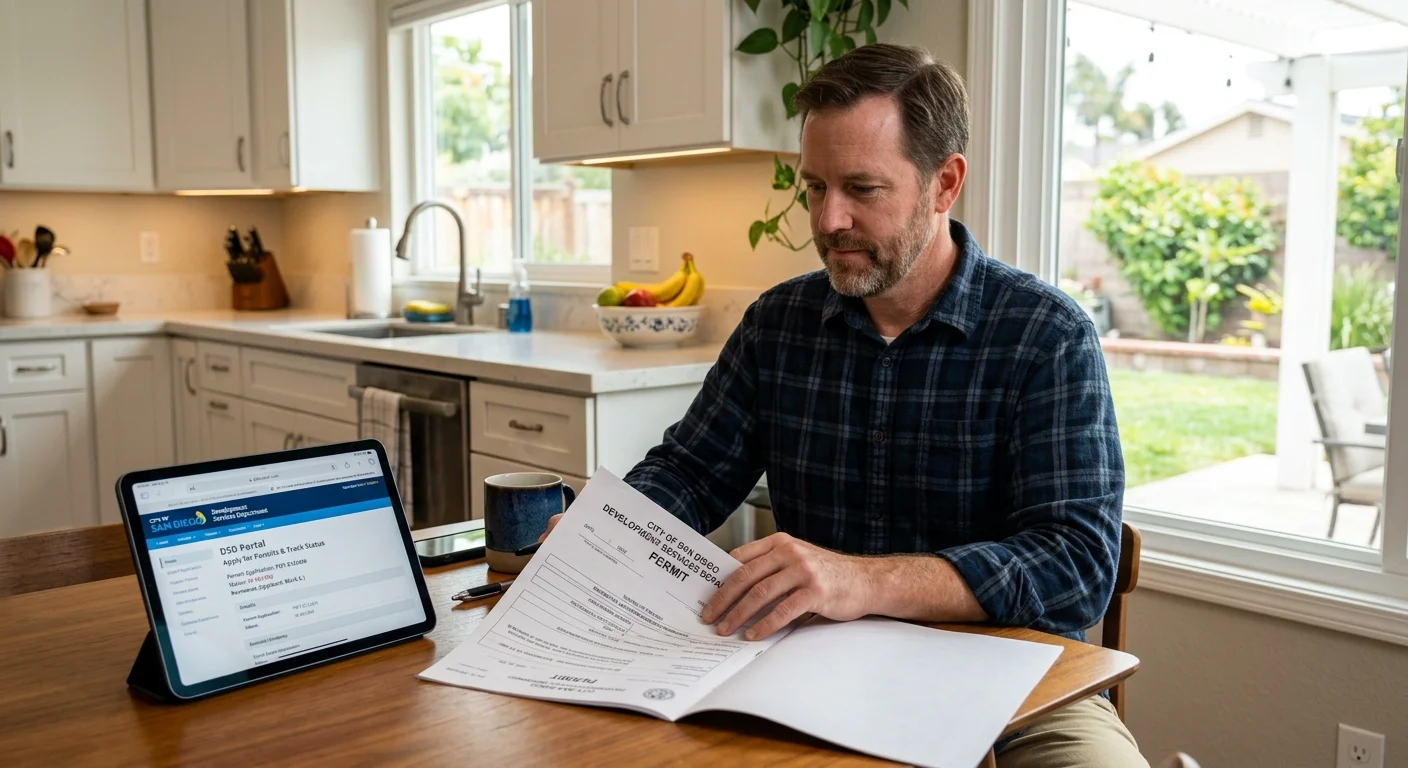
San Diego County is a big place, and electrical permit rules can vary depending on whether your home is within the City of San Diego or an unincorporated county area, or even one of the independent cities. If you live within the City of San Diego, your electrical permits are handled by the Development Services Department (DSD). They offer an online permit portal where homeowners and contractors can apply for permits, submit plans, and schedule inspections. The DSD follows the California Electrical Code, with potential local amendments, focusing heavily on safety and energy efficiency. Their website is a great resource for specific checklists and application guides.
For homes in unincorporated areas of San Diego County, such as Ramona, Alpine, or Fallbrook, the permitting authority typically falls under the San Diego County Department of Public Works (DPW), Building Division. While they also adhere to the California Electrical Code, their application processes, specific forms, and review timelines might differ from the City of San Diego DSD. It’s crucial to identify your exact jurisdiction before starting any electrical project. Beyond the City and unincorporated county, many other cities like Chula Vista, Oceanside, Escondido, and Carlsbad have their own independent building departments with their own specific procedures and local code interpretations. For example, a minor wiring change might have slightly different documentation requirements depending on which city hall you’re dealing with. Always check the specific city or county building department’s website where your property is located for the most accurate and up-to-date information on their electrical permit process.

Permit costs, timelines, and inspection scheduling
Understanding the practical side of permits—costs, timelines, and inspections—is essential for planning your electrical project in San Diego. Permit fees aren’t fixed; they typically depend on the scope and estimated value of the electrical work. For very minor electrical installations, a permit might cost as little as $50-$100. However, for significant projects like a full electrical panel upgrade cost or adding multiple new circuits, you could expect fees ranging from $200 to $500 or even more, depending on the jurisdiction and complexity. These fees cover the administrative costs of review and inspection.
The timeline for permits also varies. Submitting your application often involves online portals, especially with the City of San Diego DSD. Plan review, if required, can take anywhere from a few days for simple projects to several weeks for more complex ones, particularly if revisions are needed. Once the permit is issued and work begins, scheduling inspections is the next step. You’ll typically need a rough-in inspection before walls are closed up, and a final inspection once all work is complete. Scheduling inspections can often be done online or by phone, usually with a few days’ notice. While the process is designed to be straightforward, navigating it can be tricky for homeowners unfamiliar with the specific forms, code requirements, and inspection criteria. A licensed electrician is often your best ally here, as they’re accustomed to these processes daily and can streamline permit acquisition and ensure inspections pass smoothly the first time. You can always verify a contractor’s license through the California Contractors State License Board.
What happens if work was done without a permit
Skipping the permit process might seem like a shortcut, but it can lead to significant headaches and financial penalties down the road. If the City of San Diego or county building department discovers unpermitted electrical work, they can issue a stop-work order immediately. This means all work must cease until a proper permit is obtained and inspections are scheduled. You’ll likely face fines that can be substantially higher than the original permit fee. The penalties are designed to deter non-compliance and cover the extra investigative work required by the authorities.
Beyond fines, you’ll be required to apply for a “retroactive” permit. This often involves exposing the work for inspection, which could mean tearing down newly installed drywall or finishes to allow the inspector to see the wiring, connections, and grounding. This demolition and subsequent repair add significant unexpected costs to your project. More importantly, unpermitted work often means uninspected work, which poses serious safety risks. Improperly installed wiring can lead to electrical fires, shocks, or short circuits, endangering your family and home. Without proper inspections, you have no official confirmation that the work meets safety codes. In the worst-case scenario, unpermitted electrical work could void your homeowner’s insurance policy for electrical-related claims, leaving you vulnerable to significant financial loss if an incident occurs. It’s simply not worth the risk.
How permits affect home sales and insurance
Electrical permits play a crucial role, not just during construction, but for the long-term value and security of your San Diego home. When you decide to sell your property, any significant electrical work performed without a permit can become a major red flag. California law requires sellers to disclose known material facts about the property, and unpermitted work definitely falls into this category. Buyers and their inspectors will often look for evidence of permits, especially for major updates like an electrical panel upgrade. If they discover unpermitted work, it can significantly complicate the sale, leading to delays, demands for price reductions, or even the collapse of the deal.
Lenders also pay close attention to permitted improvements. If an appraisal flags unpermitted electrical work, it could affect the loan approval process, as the bank wants to ensure their investment is secure and meets all safety standards. From an insurance perspective, unpermitted electrical modifications can be problematic. While it’s not a universal guarantee, an insurance company could potentially deny claims related to an electrical fire or incident if they determine the damage stemmed from unpermitted or uninspected electrical work. This means your policy might not cover repairs or rebuilding, leaving you financially exposed. Ensuring all electrical work is properly permitted and inspected protects your investment, maintains your home’s resale value, and provides peace of mind that your insurance coverage remains valid. It’s a fundamental aspect of responsible homeownership in San Diego.
When to call us
Navigating electrical permits and ensuring your home’s wiring is safe and up to code can be complex. If you’re planning any electrical project beyond a simple like-for-like swap, or if you have questions about permit requirements in San Diego, it’s always best to consult with licensed professionals. Bright Pro Electric handles all aspects of electrical permitting and ensures your project is completed safely and compliantly. Call us at (858) 925-5546 for a same-day estimate.