You know you need to upgrade your electrical panel, and a quick search for “electrical panel upgrades near me” floods you with options. The problem is, they all look the same. Choosing the right contractor for this job is one of the most important decisions you’ll make for your home’s safety and future readiness, and it’s crucial to get it right.
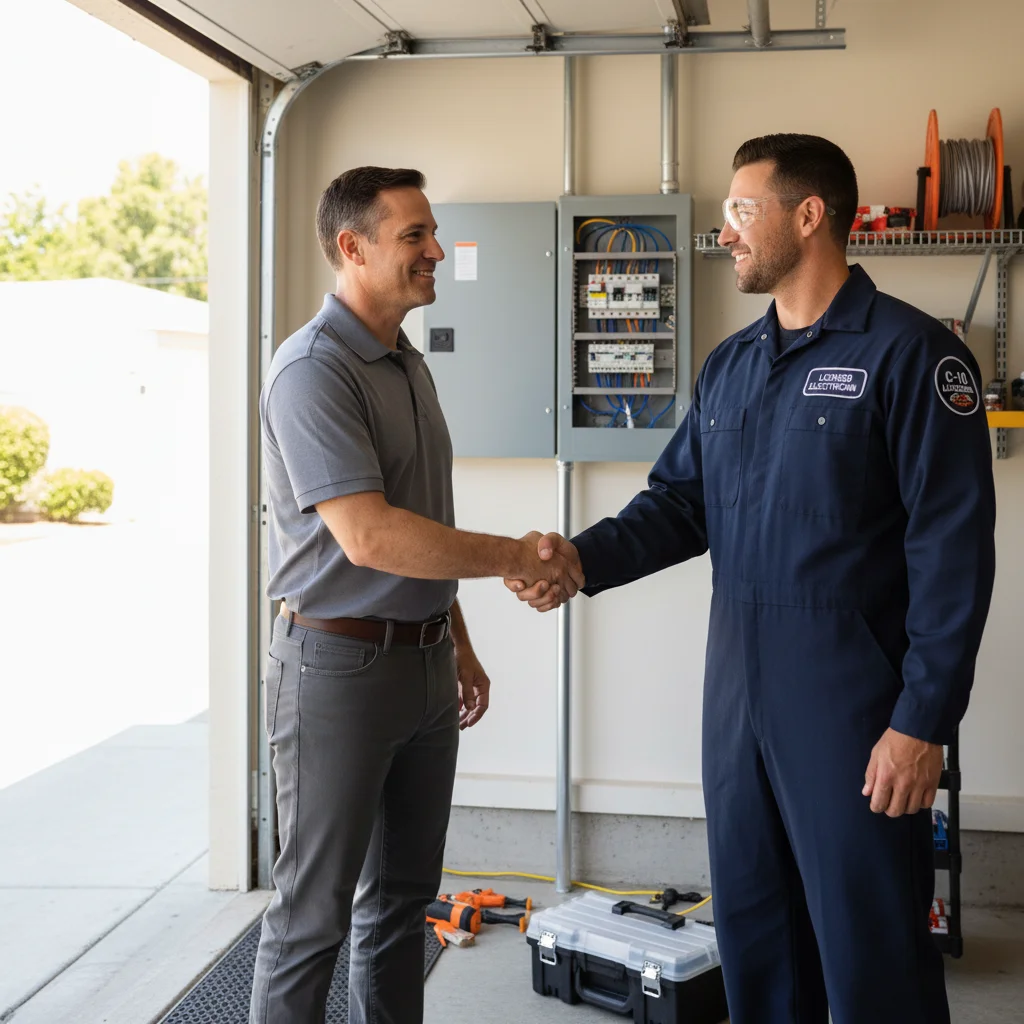
Why panel upgrades are not a commodity job
It’s tempting to think of an electrical panel upgrade as a simple swap-out, like replacing a faucet. But your home’s main service panel is the heart of its electrical system. It’s the single point of control for every wire, outlet, and appliance. Getting this installation wrong can lead to flickering lights, damaged electronics, or even a house fire.
In San Diego County, modern electrical demands make the panel’s job even more critical. We’re adding EV chargers, solar panels, heat pump HVAC systems, and all-electric appliances. An undersized or improperly installed panel can’t safely handle these loads.
A professional electrical panel upgrade isn’t just about installing a new box. It involves:
- Calculating your home’s total electrical load: This ensures the new panel has enough capacity for today and for future additions.
- Adhering to the National Electrical Code (NEC): The NEC is the benchmark for safe electrical design and installation. It’s updated every three years, and a qualified contractor stays current.
- Meeting local San Diego and county requirements: Each jurisdiction has its own rules for things like panel location, grounding, and bonding.
- Coordinating with SDG&E: This is a complex job that requires a scheduled power shutdown and reconnection, which can only be done by authorized contractors.
This isn’t a handyman task. It’s a specialized project that demands a deep understanding of electrical engineering, safety protocols, and local utility procedures.
License classes that matter: C-10 and what to verify
In California, any electrical work valued at over $500 requires a licensed contractor. For a panel upgrade, the specific license you must look for is the C-10 Electrical Contractor License. This is non-negotiable. A general contractor (B-license) or a handyman is not qualified or legally permitted to perform this work on their own.
The C-10 license signifies that the contractor has at least four years of journeyman-level experience and has passed a rigorous state exam covering electrical theory, code, and safety practices.
Before you even consider a quote, you must verify their license. It’s easy and takes less than a minute.
- Ask the contractor for their license number. A legitimate professional will provide it without hesitation.
- Go to the Contractors State License Board (CSLB) website. You can use their official license check tool.
- Enter the license number.
On the CSLB profile, check for these three things:
- License Status: It must say “Active.” If it’s expired, suspended, or revoked, walk away.
- Bond Information: They must have a current Contractor’s Bond on file.
- Workers’ Compensation: The profile must show they carry workers’ compensation insurance. If it says “exempt,” it means they have no employees. If they show up with a helper, they are breaking the law and putting you at risk.
Verifying a license is the single most important step in vetting an electrical panel upgrade contractor. It separates the professionals from the risks.
Insurance, bonding, and SDG&E authorization
Beyond the C-10 license, a reputable contractor carries layers of protection for you and your property. These are not optional nice-to-haves; they are essential for a project of this scale.
General Liability Insurance: This protects your home from accidental damage. If a worker drops the new panel and damages your stucco or flooring, their general liability policy covers the repair. Ask for a “Certificate of Insurance” (COI) that names you as an additional insured. A minimum of $1 million in coverage is standard.
Workers’ Compensation Insurance: As mentioned, this is verified on the CSLB website. It protects you from liability if a worker gets injured on your property. Without it, you could be held financially responsible for their medical bills and lost wages.
Bonding: A license bond is a $25,000 surety bond required by the CSLB. It provides a limited source of financial protection for homeowners if a contractor violates license law and fails to correct the issue. It’s a basic consumer protection, but it’s another indicator of a legitimate business.
SDG&E Authorization: This is a crucial, San Diego-specific requirement. A contractor can’t just cut the power to your house. They must be an authorized contractor with SDG&E to schedule a “cut and reconnect” service. This process involves coordinating with the utility to de-energize your home, allowing the panel to be safely changed, and then having SDG&E return to restore power. An electrician who isn’t familiar with this process will cause major delays and headaches.
Five questions to ask before signing a contract
Once you’ve verified the essentials, it’s time to dig into the specifics of the job. The answers to these questions will reveal a contractor’s experience, process, and professionalism.
-
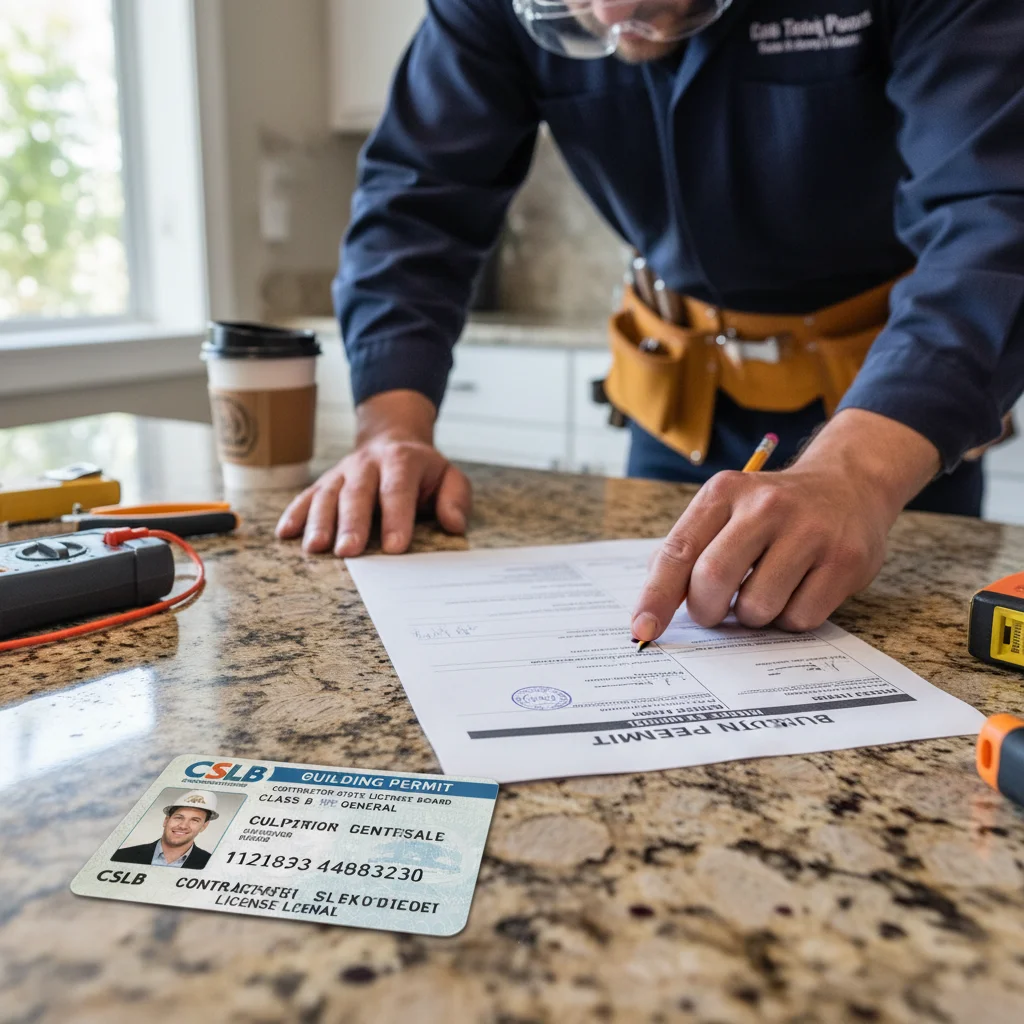
Will you be pulling a permit for this job? The only acceptable answer is “Yes.” A main panel upgrade always requires a permit from the city or county. A permit ensures the work is inspected by an independent third party to verify it meets safety codes. A contractor who suggests skipping the permit is cutting corners and putting your home at risk.
-
What brand of panel and breakers do you use? Not all electrical panels are created equal. You want to hear names like Square D, Siemens, Eaton, or Leviton. These are industry-standard brands known for reliability and quality. If a contractor proposes a cheap, off-brand panel, it’s a red flag about their commitment to quality.
-
Does your quote include patching and painting any drywall? Panel upgrades often require cutting into drywall to run new wires or mount the panel. Most electrical contractors do not include drywall repair and painting in their standard quote. Asking this upfront prevents surprise costs and clarifies the full scope of the project.
-
Who will be my main point of contact on the installation day? Will you be dealing with the owner, a project manager, or the lead electrician? Knowing who is in charge on-site helps ensure clear communication and a smooth process. It’s important to know who to call if you have questions or concerns during the installation.
-
What is your process for coordinating the power shutdown with SDG&E? A seasoned San Diego contractor will have a clear, confident answer. They should be able to explain how they schedule the disconnect, how long the power will be out (typically 4-8 hours), and what their contingency plan is if the utility company is delayed. Their answer demonstrates their experience with local procedures.
Red flags in panel upgrade quotes
The quote itself can tell you a lot about the contractor. Look past the final price and analyze the details. Be wary of these red flags:
- Vague Descriptions: A quote that just says “Panel upgrade - $6,000” is a major red flag. A professional proposal will be itemized, listing the new panel’s amperage (e.g., 200A), the number of circuits, the brand of materials, and a clear scope of work.
- Suspiciously Low Prices: If one quote is dramatically lower than others, be cautious. It often means they aren’t pulling a permit, are uninsured, are using substandard materials, or plan to hit you with change orders later. To get a feel for the market, see our comprehensive electrical panel upgrade cost guide. A lowball offer is rarely a good deal.
- High-Pressure Tactics: “This price is only good if you sign today” is a sales tactic, not a professional proposal. A reputable contractor will give you a reasonable amount of time to review the contract and make a decision.
- No Physical Address: A contractor operating only from a cell phone and a P.O. Box may be hard to track down if issues arise later. Look for a company with an established presence in San Diego County.
- Cash-Only Deals: A request for a large cash payment, especially with a “discount” for avoiding a paper trail, strongly suggests they are operating without proper insurance or licenses.
A fair quote may not be the cheapest. Our guide to panel upgrade costs in San Diego can give you a realistic budget. Choose the contractor who provides a clear, comprehensive, and professional proposal.
What a typical install day looks like
Knowing what to expect can reduce the stress of having your power shut off for a day. While every job is slightly different, a professional panel upgrade follows a predictable flow.
Morning (8:00 - 9:00 AM): The electrical team arrives, introduces themselves, and does a final walkthrough with you. They’ll lay down drop cloths to protect your home and prepare their work area. The SDG&E technician arrives around this time to disconnect power at the pole or transformer.
Mid-day (9:00 AM - 2:00 PM): This is the core of the work. The old panel is carefully removed. The new, larger panel is mounted, and the main service entrance conductors are connected. The crew will install new grounding and bonding systems to meet current code. Each of your home’s circuits is then re-landed onto a new breaker in the new panel and torqued to specification.
Afternoon (2:00 PM - 4:00 PM): Once the new panel is fully installed, the contractor coordinates with SDG&E for the reconnect. The utility technician returns, inspects the connection point, and re-energizes your service. The electricians then power up each circuit one by one, testing outlets and fixtures to ensure everything is working correctly. They will label the new panel directory clearly.
Wrap-up (4:00 - 5:00 PM): The team cleans up the work area completely. They will walk you through the new panel, show you how the breakers work, and answer any final questions. The final inspection by the city or county inspector is usually scheduled for a separate day.
When to call us
Choosing an electrical panel upgrade contractor in San Diego is a serious decision. It requires careful vetting of licenses, insurance, and professional processes. When you’re ready for a code-compliant, safe, and future-ready installation from a team that checks every box, we’re here to help.
Call us at (858) 808-6055 for a same-day estimate.